
Introduction to Brain Health Supplements
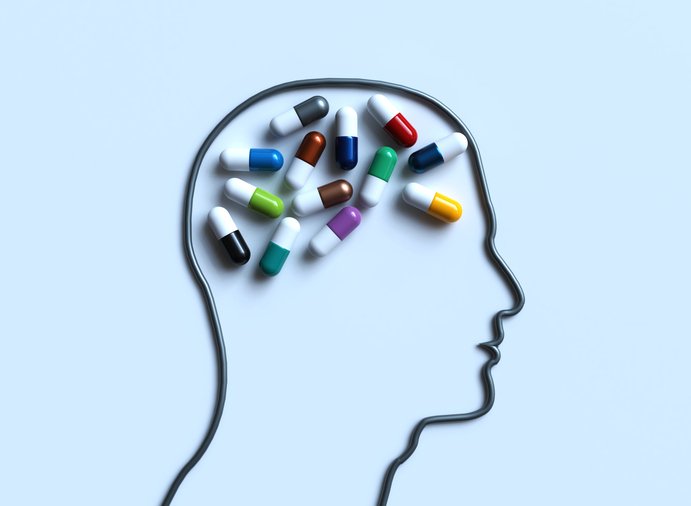
Before you consider taking a vitamin supplement or a brain-boosting product, there are three important things to consider: using evidence-based medicine, weighing the benefits vs. risks, and what experts say about the supplement. As always, please talk with your own/loved one’s healthcare provider before using any of this information.
Evidence-based medicine:
Doctors use evidence-based medicine (EBM) to decide whether something truly helps and under what conditions.
This process includes:
Starting with the best available research (such as well-designed clinical trials).
Combining those research findings with their medical knowledge of their patient’s health status, goals, and preferences.
This process matters because:
“Helps in the lab” or “Helped in a research trial” doesn’t always mean “works in people” or will “work for you.”
“Natural” does not always mean “safe.”
Weigh benefits vs. risks
How meaningful is the benefit?
A small change on a test may or may not result in real-world improvements in memory, thinking, or daily function that a patient feels and/or a family can see.
What are the risks or downsides?
Are there side effects (bleeding risk, dizziness, falls)?
Are there dangerous interactions with other medications?
Is the cost affordable?
Does this treatment give “false reassurance” and remove focus on other advised therapies?
What experts say
One of the most trusted summaries of current research about brain health and prevention of Alzheimer’s disease and other dementias is The Lancet Commission, published in 2024. The Lancet Commission is an independent, international panel of leading experts in Alzheimer’s disease, dementia, and brain health convened by The Lancet, one of the world’s most respected medical journals. The Commission synthesizes large bodies of global research—not individual studies or reports about commercial products—to produce consensus reports on complex health topics such as dementia prevention, brain health, and cognitive aging. For brain health and dementia, the Lancet Commission is considered one of the highest-credibility sources for understanding what is known, what remains uncertain, and where evidence does—or does not—support specific interventions.
Their most recent report in Dec 2024 held this key message:
“Food and lifestyle first; supplements only when there’s a clear reason.”
They found that:
No supplement has been proven to prevent Alzheimer’s disease
No supplement reliably slows memory decline for most people
Many popular products have shown negative or inconclusive results in clinical trials.
The strongest evidence still supports risk-factor control and lifestyle, not pills.
When supplements do make sense
From a science-and-safety perspective, supplements are most reasonable when they are used to:
1. Treat a documented deficiency (the body has too low a supply)
Vitamin B12, vitamin D, or iron
Deficiencies can worsen memory, energy, mood, and daily function
2. Fill a clear nutritional gap; often guided by a clinician or dietitian advising a standard-dose multivitamin
Poor appetite
Very restricted diets
·Trouble chewing or swallowing
Here are two related articles in our supplement series:
See: https://www.thelancet.com/journals/lancet/article/PIIS0140-6736(24)01296-0/abstract
REF: Livingston G, et al. "Dementia prevention, intervention, and care: 2024 report of the Lancet standing Commission." The Lancet. 2024 Aug 10;404(10452):572-628. DOI: 10.1016/S0140-6736(24)01296-0.
Please talk with your own/loved one’s healthcare provider before using any of this information.
