
Brain Supplements
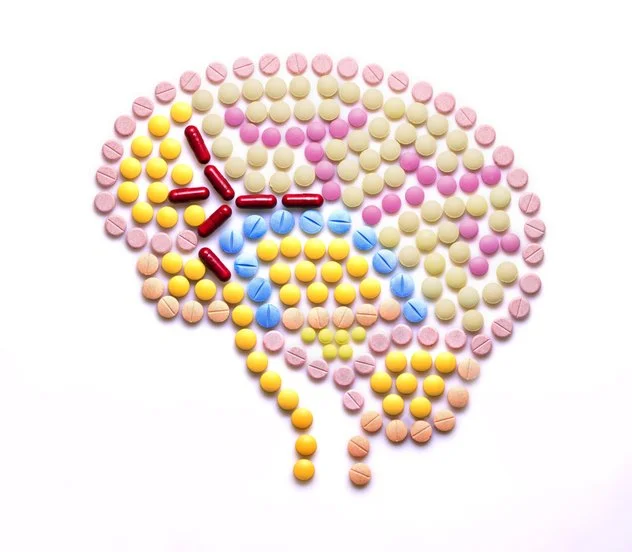
Common Brain Supplements: What the Evidence Shows
Below is a brief, evidence-based review of several commonly used supplements. Each section summarizes what is often claimed, what the science shows, and how to think about using these products wisely.
Omega-3 fatty acids (fish oil / algae-based DHA-EPA)
Common claims:
Supports brain cell membranes and reduces inflammation.
What the evidence shows
High-quality reviews have not found convincing evidence that omega-3 supplements improve cognition or treat mild-to-moderate Alzheimer’s disease.
The Lancet Commission notes observational findings (such as higher blood omega-3 levels being linked to lower dementia risk), but this does not prove that taking supplements prevents dementia. Just because a lower dementia risk was observed does not mean that higher blood omega-3 was the cause.
Eating fish containing omega-3s is more consistently effective at raising levels when compared to taking anomega-3 supplement.
How to use this wisely
If fish can be eaten safely, a food-first approach (fatty fish, or plant sources plus algae-based DHA for those avoiding fish) best matches current evidence.
When considering supplements, discuss with a clinician first, especially those with heart rhythm issues or taking blood thinners. Keep in mind, “natural” does not automatically mean safe.
Multivitamins (daily “one-a-day” products)
Common claims
Fills nutritional gaps that may affect brain function.
What the evidence shows
In the 2024 Lancet Commission review, one large trial (COSMOS-MIND) found a small improvement in cognitive test performance with multivitamin use.
The benefit was statistically significant but modest, and it is not yet clear how meaningful this is for daily functioning or if it improves memory.
How to use this wisely
A standard-dose multivitamin may be reasonable for some older adults with reduced intake or limited diets due to illness.
Always discuss the use of multivitamins with your physician. It’s important to ensure the ingredients don’t cause a negative interaction with your prescribed medications. In addition, high doses of certain vitamins can cause toxicity.
It is not a substitute for adequate protein intake, healthy eating patterns, or management of blood pressure, diabetes, and other vascular risks.
Vitamin E (alpha-tocopherol)
Common claims
Antioxidant protection and slower disease progression
What the evidence shows – limited benefit
A well-known randomized trial in mild-to-moderate Alzheimer’s disease found that high-dose vitamin E (2000 IU/day) slowed functional decline (ability to perform daily activities) and reduced caregiver time but benefits to memory and thinking were less consistent.
The National Center for Complementary and Integrative Health (NCCIH) notes overall evidence is limited beyond the study above.
Important caution – Here is an example where the benefit may not be great enough for the risk.
High-dose vitamin E can increase bleeding risk and interact with blood thinners and antiplatelet medications.
Do not start vitamin E without your healthcare provider’s knowledge and guidance.
B vitamins (B6, folate, B12)
Common claims
Supports brain and nerve function; reduces vascular risk
What the evidence shows:
In cognitively healthy older adults, a Cochrane review (another highly reputable group) found that B-vitamin supplementation likely has little or no effect on overall cognition.
Vitamin B12 deficiency is different: low B12 can cause or worsen cognitive symptoms and is considered a potentially reversible contributor to memory problems.
The National Institute on Aging lists B12 deficiency as one factor that should be evaluated when cognitive symptoms are present.
How to use this wisely:
This is where testing matters.
Ask your healthcare provider about checking B12 (and sometimes related markers) if there is:
Weight loss or poor nutrition
Anemia or neuropathy
Long-term metformin use
Long-term acid-blocking medications
Key take away
Supplements are not interchangeable with healthy food, lifestyle, and medical care. Some have limited roles in specific situations, but many offer far less benefit than their marketing suggests. Decisions are best made with evidence, context, and guidance, not headlines or hype.
Here are two related articles in our supplement series:
Intro to Brain Health Supplements
Please talk with your own/loved one’s healthcare provider before using any of this information.
