

Dear Caregivers,
For caregivers of a loved one suffering from Alzheimer's disease, an episode of losing your keys, forgetting a name, or suddenly wondering why it was that you walked into a room can trigger a special sense of concern. After all, you are witnessing firsthand the effects of the disease in your loved one, so it is natural that you may worry about your own brain and mind, and what the future might hold.
Fortunately, scientists have been making some remarkable progress on two important fronts: developing better ways to detect Alzheimer's disease, and discovering how we can keep our brains healthier as we age. There is still is no sure prevention or cure for the disease, but as the science moves forward, there is a growing sense of progress. Here are some examples:
DETECTION: Until recently, identifying biological signs of Alzheimer's required expensive brain scans or tests of spinal fluid. But researchers have recently developed blood tests that can detect proteins associated with the disease, and several of these tests have recently received FDA approval. At this time, the tests are not part of a routine screening and should only be used alongside comprehensive cognitive and physical exams; but they are an advance towards making diagnostic tools more accessible.
PROTECTION: A recent research study involving more than 2,100 older Americans who were at increased risk of cognitive decline found that a structured program of exercise, healthy eating, intellectual challenges, and social engagement improved cognitive performance. There is no guarantee that these practices will prevent the onset of dementia, but they can influence how your brain and mind age.
UNDERSTANDING: Scientists still don’t have a clear understanding of what causes Alzheimer’s. The research shows that while having a parent or sibling who has Alzheimer’s means that you are at increased risk for the disease, but it also shows that you are not necessarily destined to develop the disease yourself. Scientists now have a deeper understanding that Alzheimer’s is the result of a complex combination of factors including lifestyle, aging, and genetics.
A recent survey by the Alzheimer's Association found that more than two-thirds of Americans age 40 and older worry about developing Alzheimer's disease or another form of dementia. If you have concerns about your brain health, talk with your healthcare provider about your individual risk and what steps you can take. An additional step to consider is asking your doctor about is whether a baseline cognitive assessment would be appropriate for you. Getting an objective record of your cognitive abilities may provide a useful point of comparison if you begin experiencing difficulties in the future.
The hard reality is that Alzheimer’s has not yet yielded its full secrets to science. But with creating new diagnostic tools, developing new treatments, and learning more about the factors that influence brain health, scientists--including me--are hard at work to develop more effective diagnostics and treatments.
While we wait for those advances, one of the best things we can do is take care of our brains and bodies today. Staying healthy may help us maintain our independence and quality of life, putting us all in a better position to benefit from tomorrow's medical breakthroughs.
Here are some more resources to help you think about your health future:

Reducing the Risk of Alzheimer's Disease:
Even though we can’t stop aging, researchers have identified ways to reduce the risk of developing Alzheimer’s disease. Research has shown that even for people with a family history of Alzheimer's disease, by paying attention to a suite of Alzheimer’s risk factors can help reduce their risk. Here are six key strategies to consider.
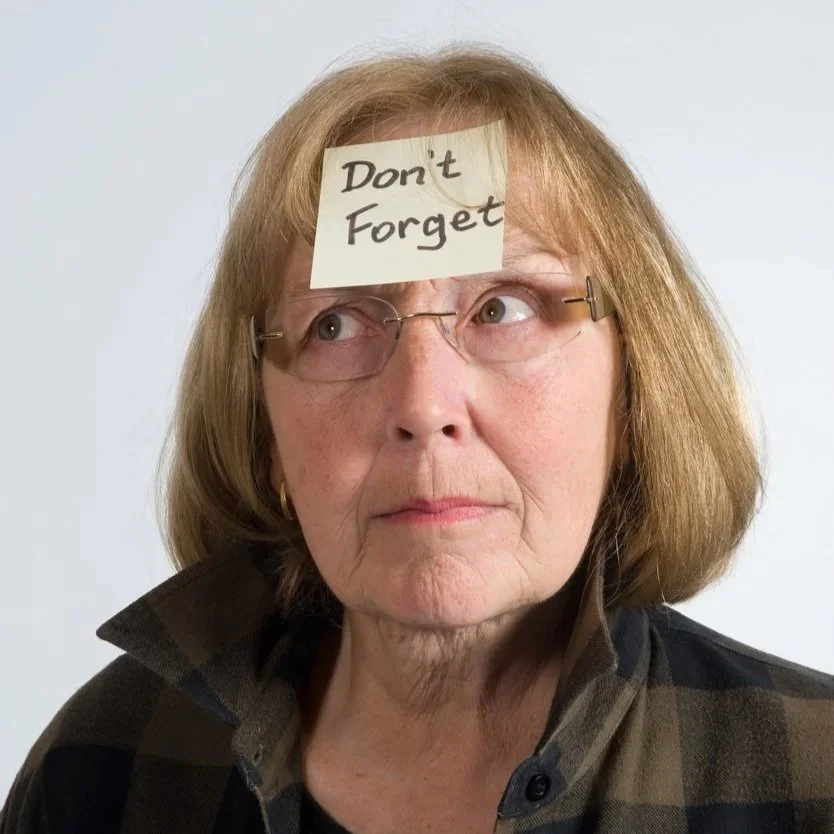
Having a “Senior Moment:” Is It Aging, or Alzheimer’s?
Most of the time, “senior moments” are just that, moments that will pass and not amount to anything more serious. Here is a guide to when you should be more concerned.

Is Alzheimer’s Hereditary?
A so-called “family history” is not always associated with developing the disease — it is likely a combination of genetic, other medical, and lifestyle risk factors. Here's an overview of the science.
Best,
Rosemary D Laird, MD, MHSA
Founder and Chief Medical Officer
“The future is not a gift: it is an achievement."
— Robert F. Kennedy
