
Home Is Where the Tech Is

Dear Caregivers,
Home is where the heart is—and, likely, where your loved one would like to live out their remaining years. And technology is here to help.
A recent survey from the AARP finds that 75 percent of people who are over 50 years of age say they’d prefer “aging in place” in their homes rather than in a care facility. For some people, of course, that may not be possible, but for others, the new surge in smart technology is helping to make home life a lot more manageable for them, and for caregivers like you.
There are remote devices that can help you keep track of your loved one via apps, video monitors, or wearables. In Broward County, where the population of people over 85 is growing rapidly, the Area Agency on Aging is using grants to help provide home help technologies to thousands of seniors, including sensors that send an alert when a loved one falls, tablets for two-way video chats, and even robotic pets.
Technology marches on at a rapid pace, so it’s best to keep a continual look-out for what’s new. The National Council on Aging has a guide for medical alert systems, for instance, and the New York Times has a recent article on the best gear for aging at home. And of course, the NAN website has a list of devices to help you in your caregiver quest. Your NAN Navigator can help walk you through the best choices for your needs.
Here are some more resources for living at home:
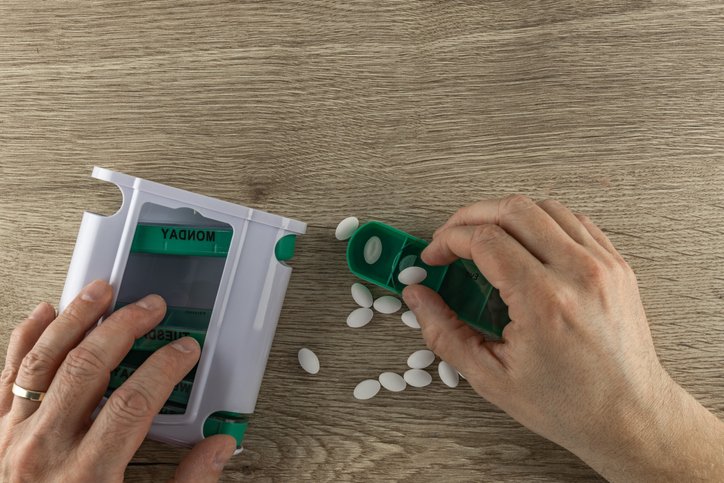
Devices for Medication Management:
A variety of medication management tools and automated dispensing systems are available to help support safety, independence, and peace of mind for both individuals living with cognitive impairment and the family caregivers who assist them. Here is a sampling.

Protecting Yourself and Your Loved One Against Fraud and Scams:
It’s a sad reality that we all must be on guard every day to protect ourselves from fraud and scams. Frauds and scams come in a wide variety of flavors and trends, and can be very creative in how they draw us in. In most cases these scams prey on our fears and try to prompt us to pay out of fear. Here’s how to protect yourself.

Private Duty and Companion Care:
“Private Duty Care” and “Companion Care” are services intended to help your loved one to safely get through day-to-day activities such as personal care, preparing meals, housecleaning, and offering companionship. These services can also offer a break for caregivers, who can use the time to be on their own. Here is a list of recommended local private duty and companion care companies that might be useful in your caregiving journey.
Best,
Rosemary D Laird, MD, MHSA
Founder and Chief Medical Officer
“The ache for home lives in all of us, the safe place where we can go
as we are and not be questioned."
— Maya Angelou
