

From the desk of Rosemary Laird, MD
Founder of Navigating Aging Needs (NAN), LLC

Change Is In The Air
For caregivers of a loved one suffering from Alzheimer's disease, change can carry a special burden. As the disease progresses, you may find yourself continually adjusting to new challenges, from changes in your loved one's memory and behavior to increasing responsibilities for their daily care. And along the way, your own life, your relationships, and your routines may be changing, too.
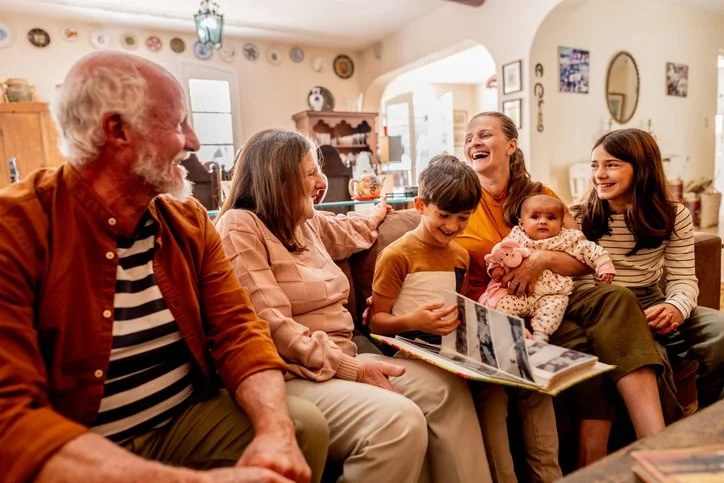
The Secret to Social Engagement
Recent research in older adults suggests that a person’s own perception of loneliness—even if they are not isolated from others—may be associated with poorer cognitive and health outcomes.
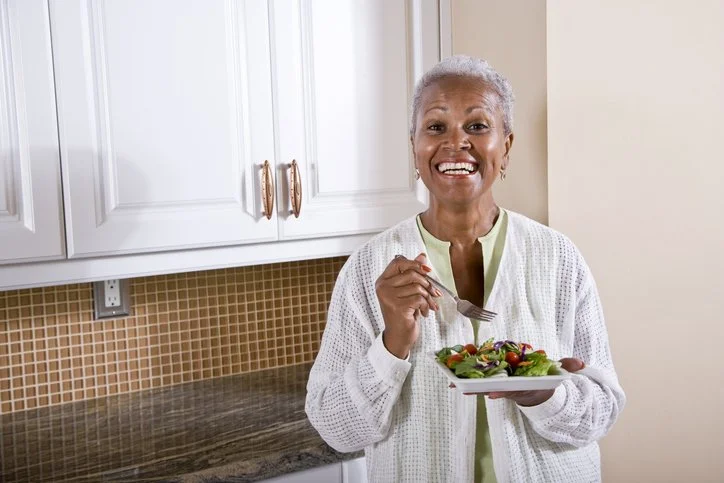
Food for Thought
The dinner table is one of the most powerful tools in a caregiver's kit, and that’s not just because everyone needs to eat! For a caregiver of a loved one suffering from Alzheimer's disease, what's on the plate can genuinely shape what's happening in the brain. Researchers have spent the last two decades gathering evidence suggesting that certain diets—including meals with leafy greens, berries, whole grains, and lean protein—are linked to slower rates of cognitive decline.

Happy New Year!
For a caregiver of a loved one suffering from Alzheimer’s, that September urge for a fresh start can be a good feeling as well. For many caregivers it may feel as if every minute is filled with something that needs to be done, with your constant managing of your loved one's meals, medications, and appointments. And that can mean pushing aside big, important projects for "sometime later."

A Lesson from Dolly Parton
I felt a pang in my heart when I heard about the passing of Dolly Parton. She not only was a “national treasure” and a spectacular entertainer and songwriter, but by all accounts she was also a warm, loving, and decent human being.
She was also a caregiver. She took care of her husband during a multi-year illness until he died in 2025. And in a recent video, she admitted that she wished that she had looked after herself more during that time. As she put it, “I let a lot of things go that I should have been taking care of.”
It’s All a Matter of Perspective!
Some days require that you focus on the next appointment, decision, or simply getting through the day. Other days give might give you the opportunity to look farther ahead and ask: Are we headed in the direction that is right for our family? Do we have a “Plan B,” in case we have an unexpected major turn of events? Your NAN Navigator has the resources to help you find this balance, helping you pay close attention to today’s details while keeping the bigger, long-term picture in sight.

It's Scamming Season!
During this recent political primary season you were likely to be inundated with phone calls or voice mails, emails, and texts from various people asking you to get involved, give your support, to take action, and so on. It can all be a little annoying, but when a random communication contains a hidden outreach from a scammer, it can be potentially devastating.

It's Getting Hot Out There!
As a caregiver of a loved one suffering from Alzheimer’s, you need to be prepared to deal with the heat of the summer. That means making sure everyone drinks plenty of water, that you have cool spaces to go to if necessary, and that you adapt your routines to fit the weather.

Burning Brightly Without Getting Burnt Out
Study after study has shown that caregivers suffer from higher rates of stress, anxiety, and depression, as well as heart disease and even dementia. The solution, of course, is to be as steadfast in caring for yourself as you are for others.

Change Your Style, Change Your Life
The evidence keeps mounting that making changes in how you live can have a significant effect on how your brain and mind age over time.
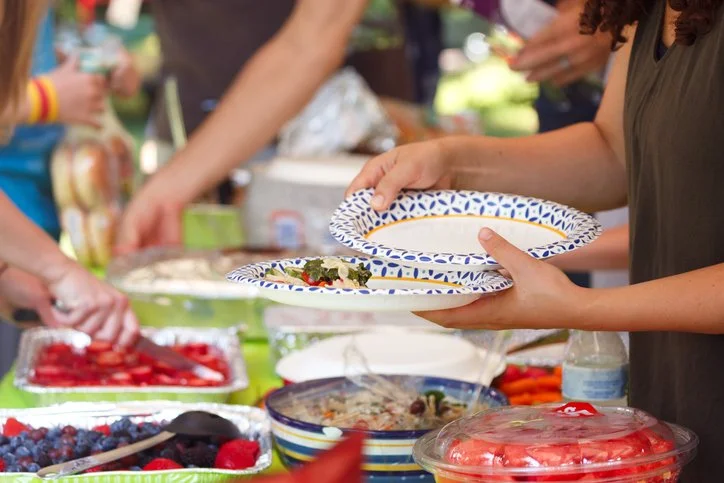
Pot Luck Nation
The concept of a “pot luck” dinner is quite apt for the community of friends, family, and professionals who gather together in the crucial task of helping a caregiver of a loved one suffering from Alzheimer’s. From a friend who offers you a soothing embrace, to the lab technicians who help track your loved one’s vital health details, to the family member who steps in to help cover you when you need to be away, each person in your “caregiving village” plays a critical role in your day.

No Time Like the Present
No matter where your loved one is in their journey, there are opportunities to plan ahead and reduce future stress. While no plan can remove the challenges these illnesses bring, thoughtful preparation can make the road ahead a little easier.

Keeping an Open "Beginner's Mind"
Alzheimer’s disease is characterized by changes and unpredictability, and so thinking you “already know everything” about something might lead to bouts of frustration. Keeping an open mind can help you keep your balance.
Want To Have a Better Day? Plan It!
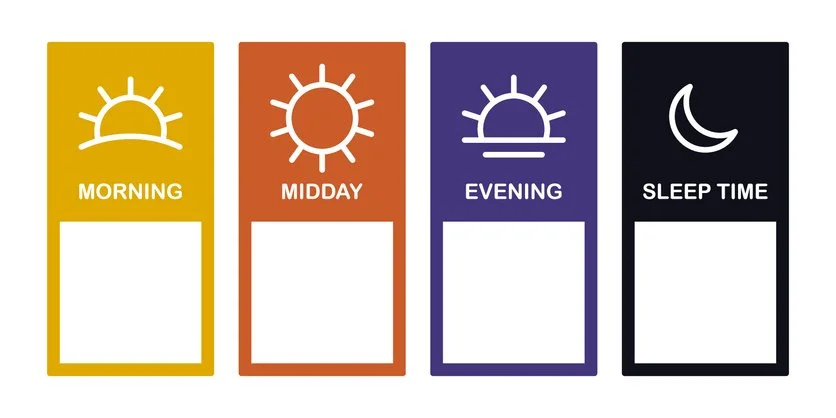
Time can be your enemy--or your best friend. For a caregiver of a loved one suffering from Alzheimer’s, finding enough time, making sure that things get done on time, and managing time can all be a challenge. But if it’s done right, planning and scheduling time can be one of the most powerful tools in your caregiver kit.

The Quick Take on Quick Fixes
It seems like in our modern age many people are yearning for a “quick fix.” There are same-day delivery of goods, instant access to media via the internet, and a host of health products that promise a transformation of body and mind without much effort.

It's Getting Hot Out There
“It’s not the heat, it’s the humidity,” as the old saying goes. But this summer threatens to add a blistering exclamation point to the phrase.
A recent, peer-reviewed study from the University of Florida finds that our state stands out as one of the country's the most vulnerable for long, intense heat waves this summer. The study suggests that we’re in for a potentially record-setting summer of heat stress in 2026.

Get Ready for Hurricane Season!
We’re only weeks away from the official kickoff of hurricane season here in Florida, which runs from June 1st through November 30th. This year there is a forecast for an El Nino weather system, which typically means a reduced risk of our state having major storms.
Still, that doesn’t mean that you and your loved one shouldn’t get ready. As the Essential Guide to Hurricane Preparedness from StateofFlorida.com puts it, “knowing the essentials of how to prepare could truly be a life saver.”

Home Is Where the Tech Is
Home is where the heart is—and, likely, where your loved one would like to live out their remaining years. And technology is here to help.

Do You Believe In Magic?
Like any caregiver of a loved one suffering from Alzheimer’s, these professionals know that the most important thing is to show up, every day, and do what you can. You are going to have good days and bad days, and sometimes the ball just isn’t going to bounce your way.

MIND Your Diet and Protect Your Brain
Eating a diet rich in vegetables, lean meats, and whole grains—the so-called MIND diet—has long been associated with reduced mental decline.