
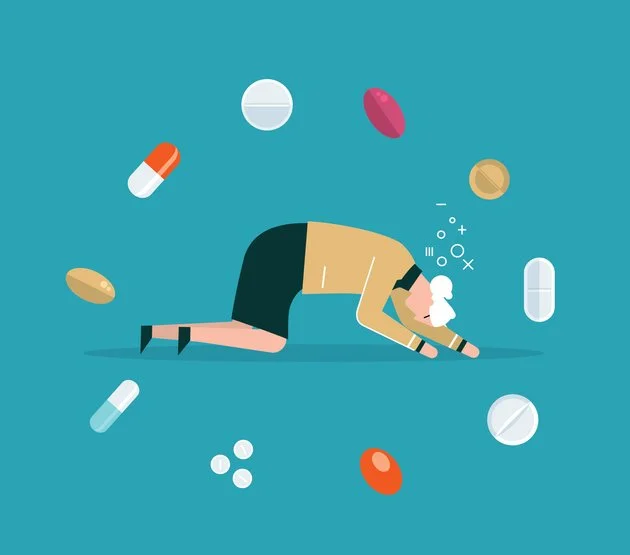
How medications can increase fall risk and make injuries more serious
Key Takeaways
Some medicines increase fall risk by causing dizziness, sleepiness, confusion, blurred vision, slower reactions, or low blood pressure.
Review all medicines—including prescriptions, over-the-counter products, and supplements—with a healthcare professional.
Blood thinners generally do not cause falls, but can make bleeding after an injury more serious.
Do not stop or change a medicine without professional guidance. If a medicine is being missed or refused, contact the care team rather than waiting until the next routine visit.
Medications That May Increase Fall Risk
Sleep or anxiety — drowsiness, slower reactions, or impaired balance
Depression, mood, or behavior — dizziness, sleepiness, or blood-pressure changes
Pain or muscle spasms — opioids and some muscle relaxants may cause dizziness or confusion
Seizures or nerve pain — changes in alertness or coordination
Blood pressure or heart conditions — blood pressure may drop too low, particularly when standing
Allergies — some antihistamines may cause drowsiness, confusion, or blurred vision
Bladder problems — some medicines may cause confusion, dizziness, or blurred vision
Sleep problems — some sleep medicines may cause next-day drowsiness, confusion, or impaired balance
Blood Thinners: Why Falls Matter More
Blood thinners help prevent strokes or dangerous blood clots. Anticoagulants include apixaban (Eliquis), rivaroxaban (Xarelto), and warfarin. Antiplatelet medicines include clopidogrel (Plavix) and aspirin. These medicines may increase bleeding after an injury.
HEAD INJURY? If someone taking an anticoagulant, falls and hits their head, seek emergency medical evaluation right away—even if they initially seem fine.
Call 911 for loss of consciousness, seizure, new weakness, repeated vomiting, worsening headache, unusual sleepiness, or increasing confusion. For head injuries involving aspirin or other antiplatelet medicines, promptly seek medical advice about the appropriate evaluation.
Questions to Ask the Pharmacist or Healthcare Provider
Could any medicines—or combinations—be contributing to dizziness, sleepiness, or falls?
Are all these medicines still needed? Could a dose or medicine be changed safely?
Could a drop in blood pressure when standing be causing dizziness or unsteadiness?
If my loved one takes a blood thinner, what should we do after a fall or head injury?
At The Next Visit
Bring an up-to-date medication list. Mention falls, near-falls, dizziness, unusual sleepiness, and recent medication changes. Report new symptoms or repeated missed doses sooner rather than waiting for a routine appointment.
IMPORTANT: Never stop, crush, or change the dose or form of a medicine on your own. Some changes can cause harm; ask the prescribing clinician or pharmacist first.
Consult the prescribing healthcare provider or pharmacist before changing medicines, doses, or how they are administered.
Sources noted in original handout: CDC STEADI; CDC Still Going Strong traumatic brain injury resources.
Related:
Information from: Centers for Disease Control and Prevention Home and Recreational Safety
cdc.gov/HomeandRecreationalSafety/Falls/WhatYouCanDoToPreventFalls